
Washington State is home to a fascinating array of spiders. Each species has unique traits and plays a vital role in the ecosystem. From the active Wolf Spider to the intricate web-spinning Orb-Weaver, these arachnids are diverse and intriguing. Understanding these creatures can help dispel common fears and misconceptions. Many people mistakenly believe all spiders are dangerous. In reality, most spiders in Washington are harmless and beneficial and help control insect populations naturally. This guide will explore Washington’s most notable spiders, their habitats, and behaviors.
The Most Common Spiders in Washington
Washington hosts a variety of spider species, each with unique traits. Understanding these arachnids can help assuage unnecessary fears. The Wolf Spider is among the most recognizable. Known for their speed and size, they don’t weave webs but hunt actively. Giant House Spiders often reside in basements and garages, recognized by their impressive speed and size. In gardens, the Orb-Weaver Spider creates intricate webs. Their colorful patterns add beauty to outdoor spaces. Jumping Spiders are fascinating due to their expressive movements and keen eyesight. Finally, Yellow Sac Spiders, with their nocturnal habits, are frequently spotted during nighttime explorations. Common Washington spiders include:
- Wolf Spider
- Giant House Spider
- Orb-Weaver Spider
- Jumping Spider
- Yellow Sac Spider
Each species contributes to the ecosystem in its own way.
Wolf Spiders: The Active Hunters
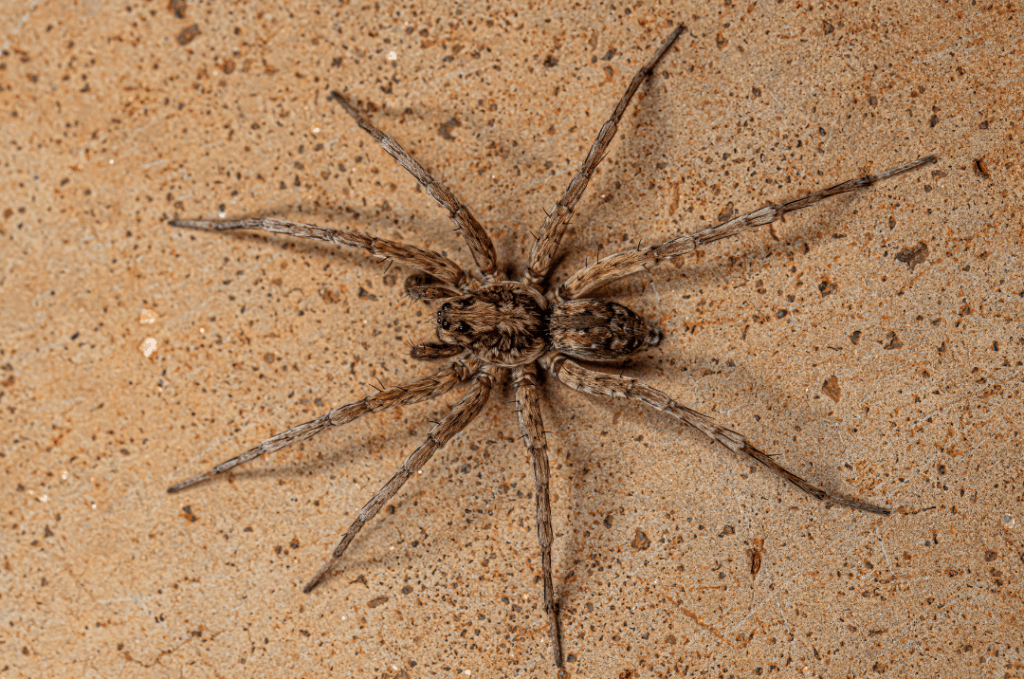
Wolf spiders are prevalent across Washington. These active hunters do not rely on webs to catch prey. Instead, they use speed and agility to pursue insects. Recognizable by their large bodies and hairy legs, wolf spiders might appear intimidating. However, they pose little threat to humans. These spiders are often found in grasslands and open fields. Their camouflage helps them blend seamlessly into the environment. Interestingly, female wolf spiders carry their egg sacs attached to their spinnerets. This unique behavior showcases their nurturing side.
Giant House Spiders: Fast and Familiar
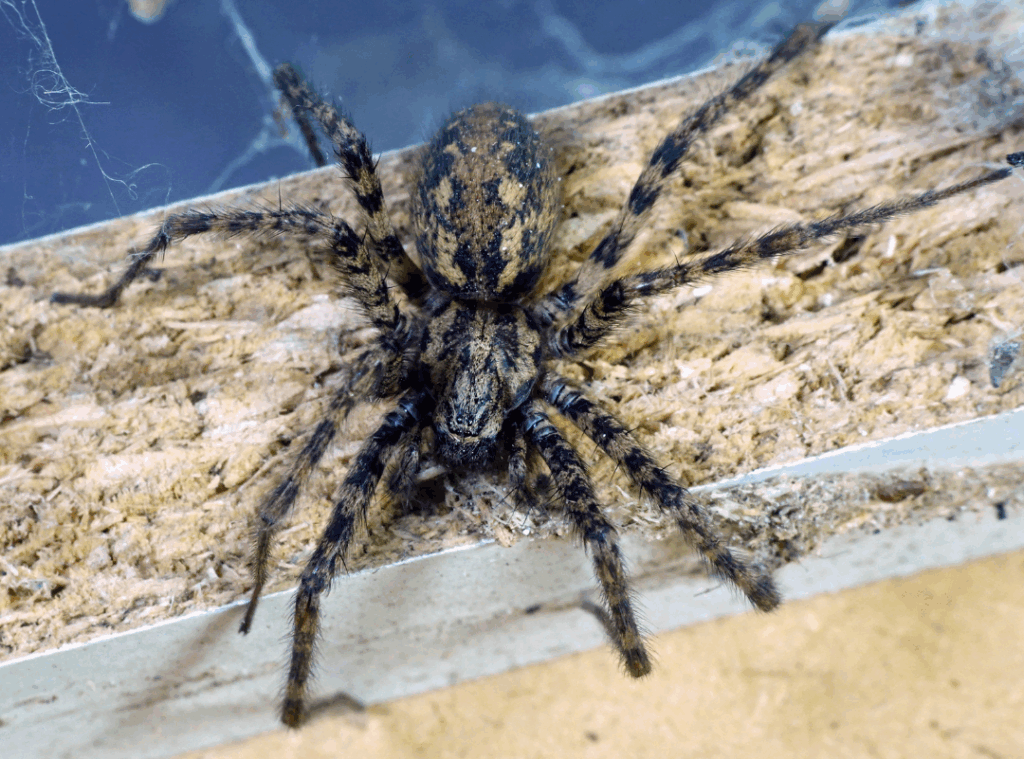
Giant House Spiders are common indoor residents in Washington. They are known for their size and remarkable speed. Typically found in basements and attics, these spiders prefer dark corners. Despite their size, they are harmless to humans. Their impressive speed is a notable trait, making them formidable hunters. They help control indoor insect populations naturally.
Orb-Weaver Spiders: Web Artists of the Garden
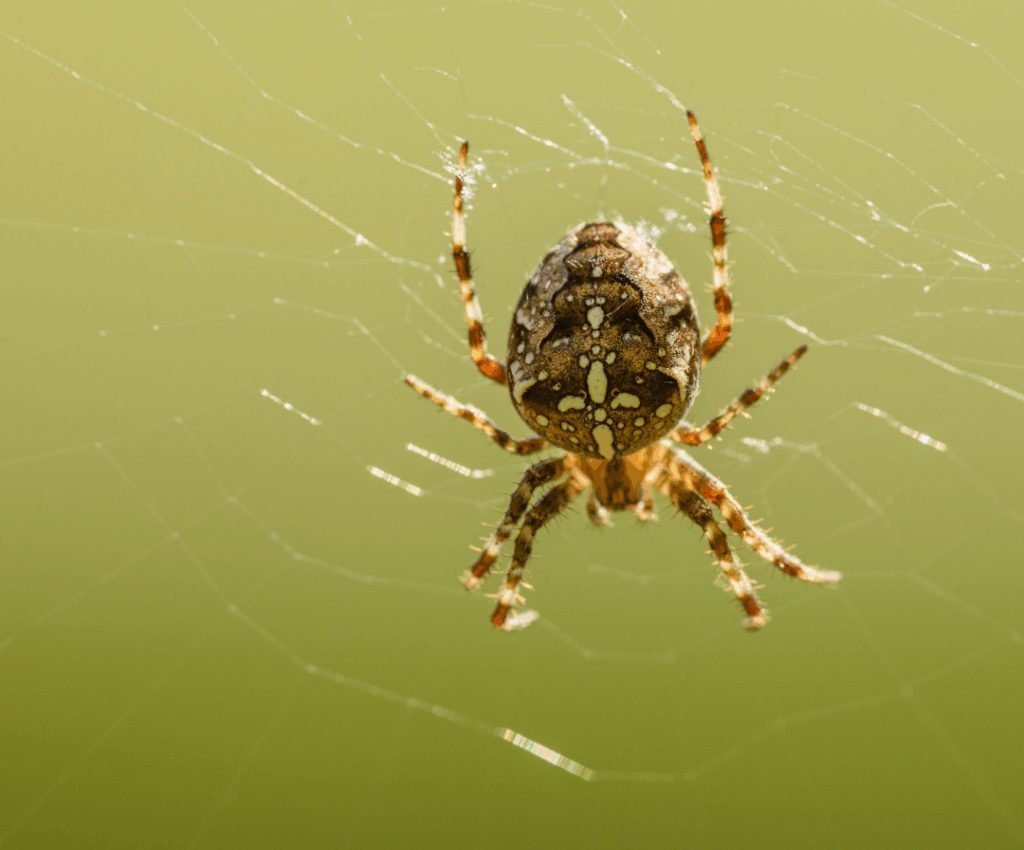
Orb-weaver spiders are true artists of the spider world. They construct symmetrical, wheel-shaped webs often seen in gardens and forests. Their colorful patterns vary, making them an eye-catching presence. Despite their vivid appearance, they are not aggressive. These spiders play a crucial role in controlling insect populations. Their webs trap flies and other pests efficiently.
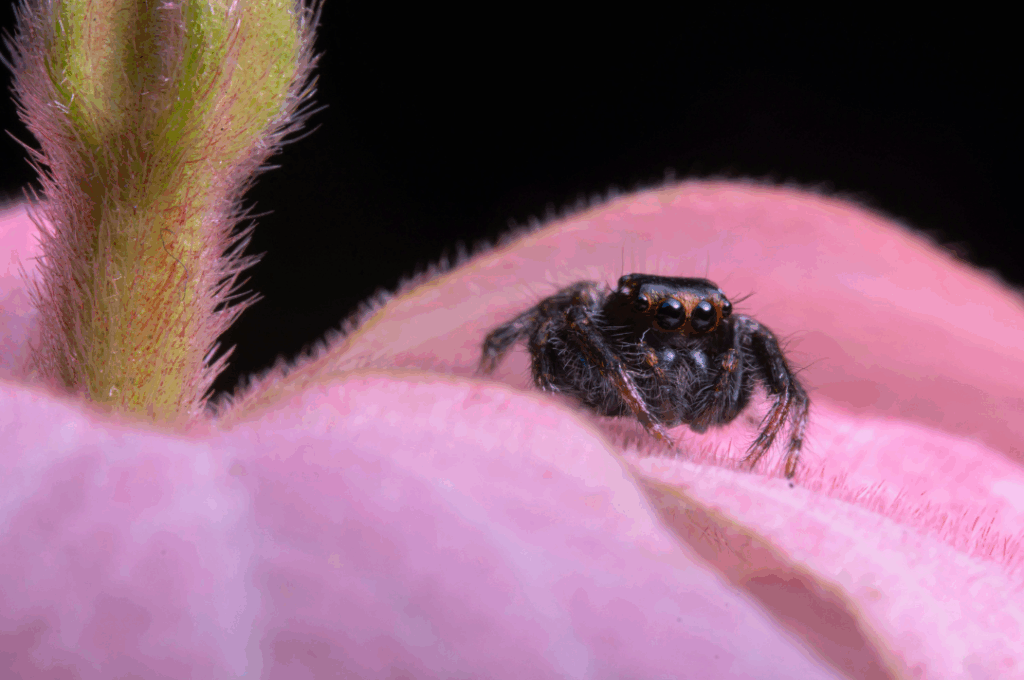
Jumping Spiders: Tiny Acrobats
Jumping spiders are small but captivating creatures. Known for their agile jumping, they can leap several times their body length. Their large, forward-facing eyes give them excellent vision. This eyesight aids in hunting and navigating their surroundings. Vibrant patterns make them easy to identify. Despite their small size, they are effective hunters, preying on insects like flies and moths.
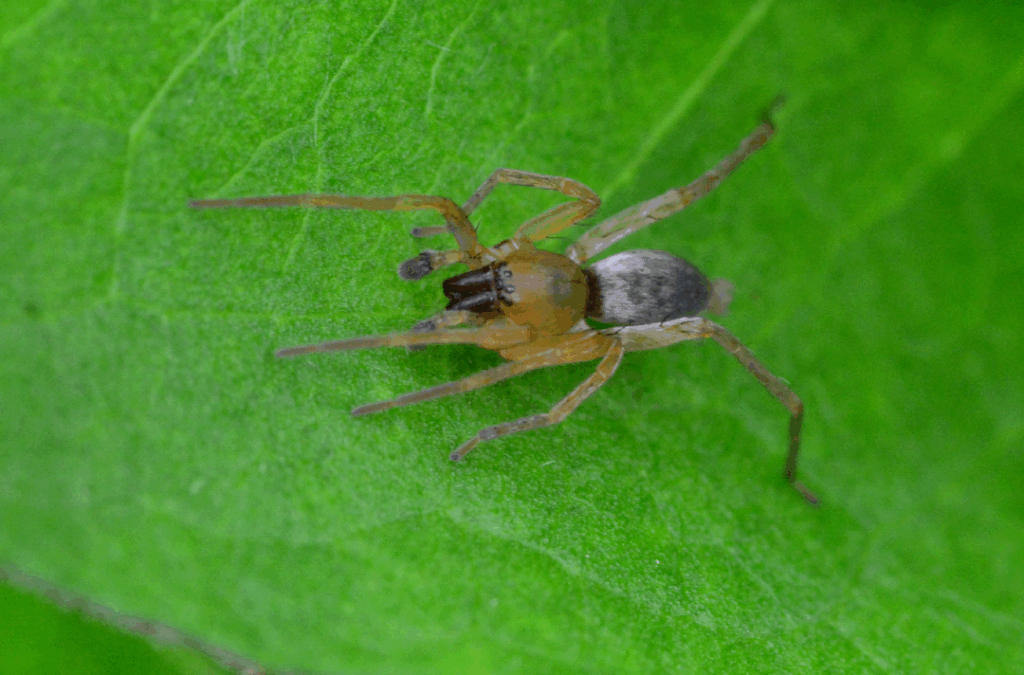
Yellow Sac Spiders: Nocturnal Foragers
Yellow Sac Spiders are elusive nocturnal hunters. Recognizable by their pale color, they are often spotted after dark. They construct small silk sacs where they rest during the day. At night, they emerge to forage for food. While their bites can be mildly irritating, they are not dangerous. These spiders contribute to managing insect populations in gardens and homes.
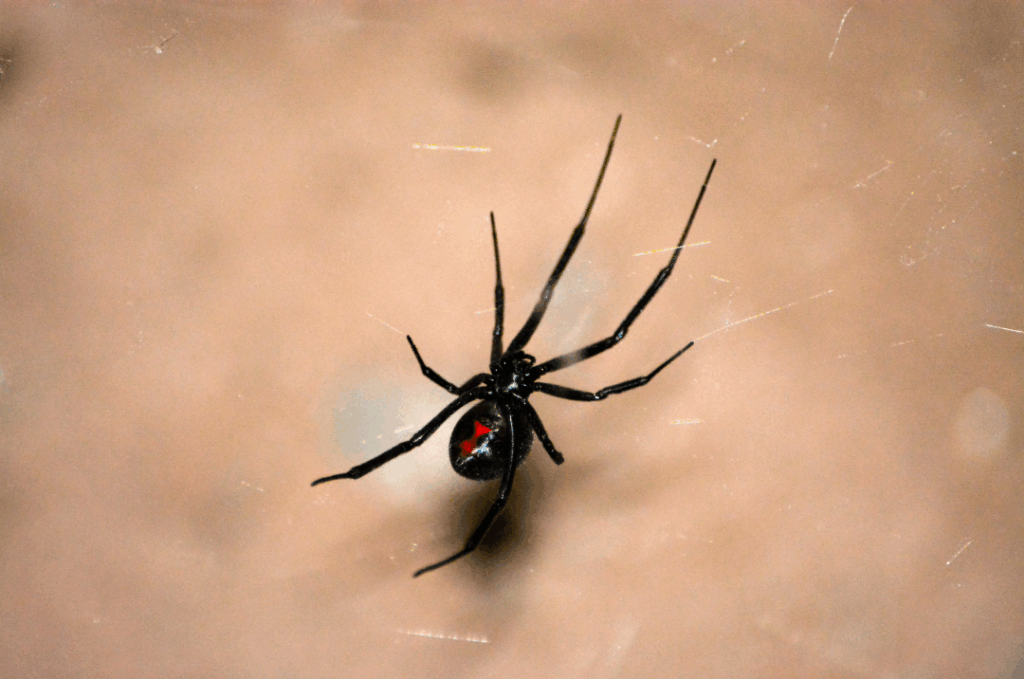
Venomous and Misunderstood: Black Widows and Brown Recluses
In Washington, spider enthusiasts often discuss Black Widows. Their shiny black bodies and red hourglass mark make them iconic. Despite their intimidating appearance, they are not overly aggressive. Brown Recluse sightings in Washington spark debate. These spiders are not native to the area, yet some reports suggest encounters. Misidentification often leads to confusion and fear. Key features, such as the violin-shaped mark on their back, can help identify them. Understanding these spiders requires separating fact from fiction. Common misconceptions lead to fear of these misunderstood creatures. However, education can foster coexistence and appreciation. Misunderstandings about spiders can lead to unnecessary panic. Accurate information and recognition can demystify these intriguing arachnids.
- Black Widow spiders are in warm, dry areas.
- Brown Recluse spiders are rarely found in Washington.
- Misidentification is common with these species.
Black Widow Spiders in Washington
Black Widows are present in certain areas of Washington. These spiders prefer secluded, warm spaces like garages and woodpiles. Despite their venomous reputation, bites are uncommon. The Black Widow’s venom can be potent, yet it rarely results in severe harm. Encountering a Black Widow is a reminder to exercise caution. Observing them from a distance allows appreciation without unwarranted fear.
Brown Recluse Spiders: Fact vs. Fiction
The Brown Recluse’s presence in Washington is rare. This spider is often mistakenly identified due to its famed notoriety. Actual Brown Recluse sightings in the state are scarce. Much of the fear surrounding them stems from myths and misinformation. Accurate identification is crucial. While caution is wise, panic is unnecessary, as confirmed sightings are minimal.
Other Notable Spiders of the Pacific Northwest
Washington’s diverse ecosystems host intriguing spider species. The crab spider, a master of disguise, blends seamlessly into its surroundings. This spider demonstrates nature’s fascinating adaptive strategies. The six-spotted fishing spider is another remarkable species. Found near water, it walks across surfaces effortlessly, showcasing its unique ability. Other notable species include the elegant lace webbed spider. This spider spins intricate webs in outdoor settings, enhancing the natural landscape. These spiders enrich local biodiversity, each contributing vital ecological roles.
- Crab Spider: Known for color adaptation.
- Six-Spotted Fishing Spider: Prefers aquatic habitats.
- Lace Webbed Spider: Creates decorative, complex webs.
Spider Habitats and Behavior in Washington
Washington offers diverse habitats for spiders, from moist forests to urban areas. Their adaptability allows them to thrive in many environments. Spiders exhibit various behaviors based on habitat. Many create webs for hunting, while others actively hunt without webs. Understanding their behavior helps us coexist peacefully. Common behavior patterns include:
- Web building in gardens and forests
- Nocturnal hunting activities
- Seeking shelter indoors during colder months
Through these behaviors, spiders manage insect populations effectively.
Preventing and Managing Spiders in the Home
Keeping spiders at bay begins with simple home maintenance. Regular cleaning reduces hiding spots for these eight-legged creatures. To effectively manage spiders indoors, consider the following tips:
- Seal cracks and openings
- Use screens on windows and doors
- Reduce clutter in basements and attics
These measures reduce spider habitats, keeping them outside where they belong. Simple deterrents, like essential oils, can also help. Peppermint oil is known to help repel spiders.
When to Seek Professional Pest Control
While spiders are mostly harmless, there are times professional help is required. Consider calling pest control experts if:
- Spider sightings become frequent
- You identify venomous species
- DIY methods fail to manage spiders
Professional services can assess the situation and provide targeted solutions. Their expertise ensures comprehensive spider management, creating a safer home environment.