
Guide to Bed Bug Identification, Behavior, and Extermination
Discovering you have bed bugs is a deeply unsettling experience. These pests are notoriously difficult to eliminate, causing stress, anxiety, and sleepless nights for people worldwide. This comprehensive guide is designed to be your central resource for everything you need to know — from identifying the first signs of an infestation to understanding the professional-grade solutions required for complete and permanent removal.
This page covers the biology of bed bugs, proven detection methods, why DIY approaches often fail, and the systematic processes that pest control experts use to eradicate them for good.
Bed bugs (Cimex lectularius) are small, parasitic insects that feed on the blood of warm-blooded animals, with a strong preference for humans. They are experts at hiding and are one of the most resilient indoor pests.
Anatomy and Life Cycle
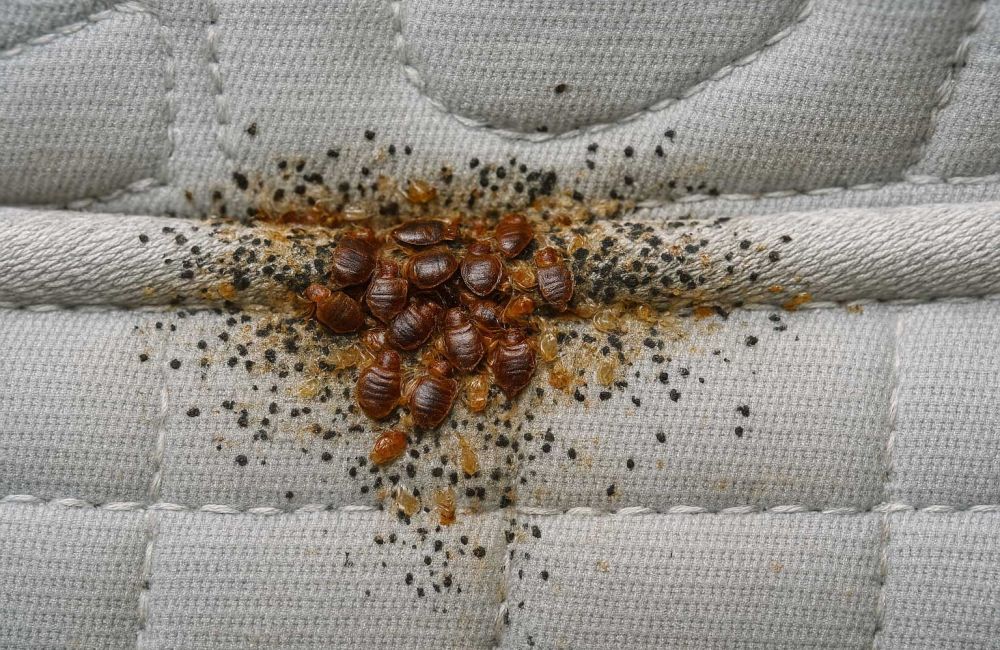
- Appearance: Adult bed bugs are oval-shaped, flat, and reddish-brown, often compared to the size and shape of an apple seed (about 1/4 inch). After feeding, they become swollen and redder.
- Nymphs: Immature bed bugs, or nymphs, are nearly colorless when they first hatch and become browner as they mature. They are incredibly small and difficult to see.
- Life Cycle: A female bed bug can lay 1-5 eggs per day, totaling hundreds in her lifetime. These eggs hatch in about 10 days, and the nymphs require a blood meal to molt and grow into the next stage. This rapid cycle can turn a few bugs into a major infestation in just a few months.
Behavior and Hiding Spots
Bed bugs are nocturnal and elusive. They hide during the day in tight, dark spaces close to their food source—you. Common hiding spots include:
- Mattress seams, tufts, and tags
- Inside a box spring or bed frame
- In cracks in the headboard and other furniture
- Behind baseboards, picture frames, and loose wallpaper
- Inside electrical outlets and appliances
Signs of an Infestation — The Definitive Checklist
Finding a live bug is the ultimate confirmation, but often, the secondary signs of their presence are spotted first. If you suspect an issue, perform a thorough inspection using a flashlight for the following clues:
- Fecal Spots: These are small, dark brown or black spots that look like ink dots. They are digested blood and are often found clustered in their hiding places.
- Blood Stains: Small, rust-colored or reddish stains on your sheets, mattress, or pajamas are often the result of a bed bug being crushed after feeding.
- Shed Skins (Exoskeletons): As nymphs grow, they molt, leaving behind their translucent, hollow skins. Finding these casings is a clear sign of an active, growing infestation.
- Eggs and Egg Casings: Bed bug eggs are tiny (about 1mm), pearly white, and often found in clusters within their hiding spots.
- Unexplained Bites: While bites are a common sign, they are not a definitive diagnostic tool. Bite reactions vary widely—some people have no reaction at all, while others develop red, itchy welts. They often appear in lines or small groups.
- A Musty Odor: In severe infestations, bed bugs produce alarm pheromones that can create a distinctively sweet, musty odor, often compared to coriander.
Why DIY Bed Bug Treatments Are Risky and Ineffective
When faced with bed bugs, the first instinct is often to rush to the store for foggers, bombs, and sprays. Unfortunately, these methods almost always fail and can even make the problem worse.
- Pesticide Resistance: Bed bug populations have developed significant resistance to the common pyrethroid insecticides found in over-the-counter products.
- Ineffective Application: “Bug bombs” and foggers do not penetrate the cracks and crevices where bed bugs hide. They may kill a few exposed bugs but won’t reach the core infestation.
- Scattering the Infestation: Improper treatment can cause bed bugs to flee the treated area and spread to other rooms or adjacent apartments, widening the scope of the problem.
- Lack of Residual Effect: Most DIY products have no lasting effect, meaning that as soon as eggs hatch, the infestation begins anew.
Call Us Today!
(360) 517-7378
The Professional Bed Bug Extermination Process
Professional pest management is the only reliable way to ensure complete bed bug elimination. Experts use a multi-faceted approach that targets bugs at every life stage.
Step 1: The Professional Inspection
A successful treatment begins with a meticulous inspection by a trained technician to confirm the presence of bed bugs and determine the full scope of the infestation. This dictates the treatment strategy.
Step 2: The Preparation Phase
Proper preparation is a critical step that requires cooperation from the homeowner. A professional company will provide a detailed preparation checklist. This ensures that treatments can be applied effectively and personal items are protected.
Step 3: The Treatment Methods
Professionals use a combination of tools and methods for eradication:
- Thermal Remediation (Heat Treatment): This is widely considered the most effective method. Specialized equipment is used to raise the temperature of the entire area to a lethal level (typically 120-140°F). Heat kills all life stages of bed bugs, including eggs, often in a single treatment.
- Conventional Liquid Treatments: Professionals have access to a wide range of effective, commercial-grade liquid insecticides that are not available to the public. These are applied directly to cracks, crevices, and other hiding spots.
- Insecticidal Dusts: Fine dusts can be applied in wall voids, behind electrical outlets, and in other inaccessible areas to provide a long-lasting residual effect.
- Steam Treatment: High-temperature steam can be used to treat sensitive items like mattress surfaces and upholstered furniture, killing bed bugs and their eggs on contact.
Step 4: Follow-Up and Monitoring
Reputable pest control companies will schedule a follow-up visit to inspect for any remaining activity and ensure the treatment was successful. Monitoring devices may be installed to catch any stragglers.
What to Look for in a Professional Bed Bug Exterminator
Choosing the right company is critical. Not all pest control services are equipped to handle bed bugs effectively. Look for these key qualities:
- Specialization: Do they specialize in bed bugs? Ask about their experience and preferred treatment methods.
- Comprehensive Approach: A company that offers multiple treatment options (like heat and conventional) is often better equipped than one with a single solution.
- Licensed and Insured: Always verify that the company is properly licensed and carries insurance to protect you and your property.
- A Clear Plan: They should provide a detailed inspection report and a clear treatment plan, including preparation instructions and follow-up procedures.
- A Written Guarantee: A trustworthy company will stand by its work with a service guarantee. Understand the terms of the guarantee before beginning treatment.
How to Prevent a Future Infestation
Once your home is clear, or to avoid an infestation in the first place, adopt these preventative habits:
- Be Vigilant While Traveling: Inspect your hotel room (mattress, headboard, luggage rack) before unpacking. Keep your suitcase off the floor. Upon returning home, launder all clothing immediately in hot water.
- Inspect Secondhand Items: Never bring used furniture, especially mattresses or upholstered items, into your home without a thorough inspection.
- Use Mattress Encasements: High-quality, bite-proof and escape-proof encasements for your mattress and box spring eliminate the primary hiding spots and make inspections easier.
- Reduce Clutter: A cluttered home provides more hiding places for bed bugs.
Frequently Asked Questions
Bed bugs are not a sanitation issue; they are a pest of exposure. They are expert hitchhikers and can be brought home from hotels, public transit, theaters, or on secondhand furniture. Even the cleanest homes can get them.
No. Bed bugs hide in many places besides the mattress. Discarding furniture is expensive, and if the root cause isn’t treated, the new furniture will quickly become infested.
Reputable pest control professionals are trained to apply treatments safely. For heat treatments, pets and people must remain out of the structure during the process. For liquid treatments, there is a re-entry time after which it is safe. Always discuss any safety concerns with your chosen professional.
The cost varies significantly based on the size of the area to be treated, the level of infestation, and the treatment method chosen (heat is typically more expensive but more effective). The only way to get an accurate price is to schedule a professional inspection.