If you’ve spotted large black ants around your house, you might be dealing with carpenter ants – and that’s definitely not something to ignore. Unlike regular house ants that just want your leftovers, carpenter ants can actually damage your home by tunneling through wood to build their nests.
Carpenter ants can be a real headache for homeowners. They may not eat wood like termites do, but they sure do love to make their homes in it. This can cause some serious damage to your house over time!
For homeowners in Whatcom County and Skagit County, Washington, these wood-boring pests are a real concern, especially with our wet Pacific Northwest climate creating perfect conditions for them to thrive.
It’s important to catch them early. Keep an eye out for things like sawdust, strange noises, or ant trails, and get ready to do some simple prevention to keep them away.
In this guide, we’re going to talk about five easy ways to keep carpenter ants from invading your home.
What You Should Know About Carpenter Ants
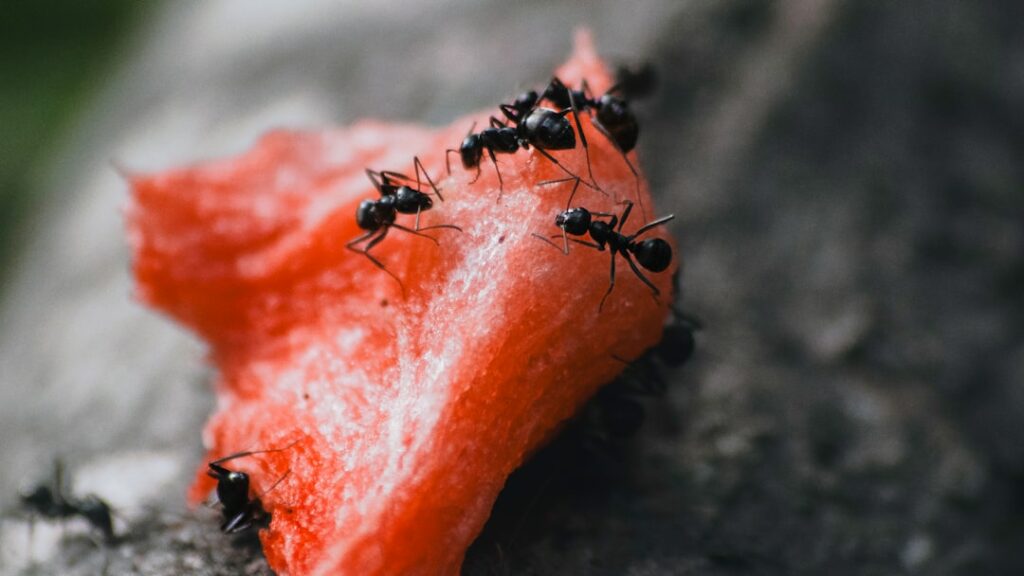
Carpenter ants are large, often black ants that like to nest in wood. Sometimes, they can be red or a mix of colors, too. Unlike termites, these ants don’t munch on wood; they chew into it to make their nests.
People often mix up carpenter ants with termites, but they are pretty different! Here are a few key features:
- They have a narrow waist and bent antennae.
- They like to nest in damp wood.
- You might hear rustling sounds in your walls or ceilings.
Knowing these differences is super important for keeping them away.
Why You Need to Prevent Carpenter Ants
Preventing carpenter ants is crucial to avoid serious damage to your home. These pests can weaken the structure of your house if they go unnoticed. Tackling the problem early helps protect your home from costly repairs and keeps your living space safe and comfy.
Key reasons to focus on prevention include:
- Avoiding damage to your home’s structure.
- Saving money on repair bills.
- Keeping your home comfortable and safe.
By staying proactive, you can keep your home free from carpenter ants!
Understanding Carpenter Ants
Carpenter ants aren’t just annoying; they can damage your home. Learning about them is important for stopping them in their tracks.
What Do Carpenter Ants Look Like?
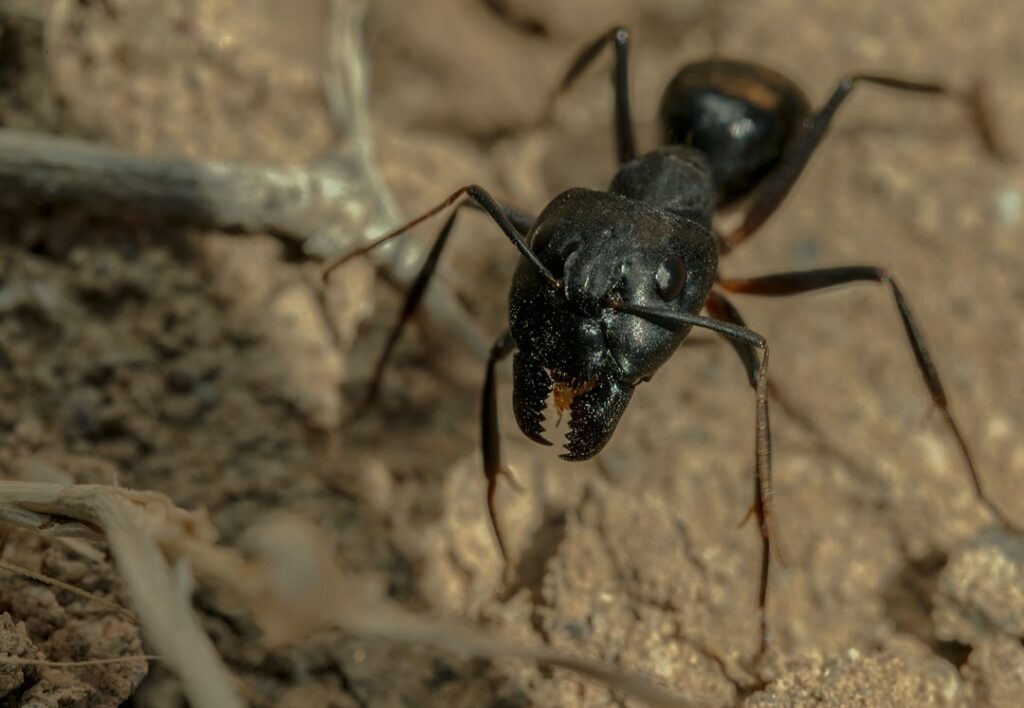
Carpenter ants are big, usually black or a mix of red and black. They have a narrow waist and bent antennae. Instead of eating wood, they dig into it to make nests.
Key traits to look out for:
- Size: They’re larger than most other ants.
- Color: Black or red-black.
- Antennae: Bent, not straight.
Knowing what they look like will help you tell them apart from termites and other pests.
What Do Carpenter Ants Do?
These ants are mostly active at night. They will travel far to find food and can come from outdoor nests into your house. They love damp areas, so if you have wet wood, that’s a perfect nesting place for them.
Their behavior includes:
- Being active at night.
- Looking for sweet or protein-rich foods.
- Nesting in damp or rotting wood.
Understanding how they behave will help you prevent them better.
How to Spot Carpenter Ants in Your House
Finding carpenter ants early is key to keeping your home safe. Watch for small piles of sawdust called frass near wooden structures. You might also hear rustling noises in your walls, which is another hint that they’re around.
Signs to look for:
- Frass: Small piles of fine sawdust.
- Noises: Rustling in the walls.
- Trails: Ant paths along surfaces.
Spotting these signs early can help you tackle any potential problem.
5 Easy Ways to Prevent Carpenter Ants
Keeping carpenter ants away takes some effort, but it’s doable. Here are five simple methods that can help protect your home.
Method 1: Seal Entry Points
Making sure ants can’t get in is super important. Walk around your house and look for places where they might sneak in. Some spots to check include:
- Gaps around doors and windows.
- Cracks in the foundation.
- Openings where utilities come in.
Sealing up these spots can really cut down the chances of an infestation.
Finding Vulnerable Areas
Look for small cracks or openings on the outside of your house. It’s important to inspect regularly.
Focus on areas like:
- Gaps in door frames.
- Foundation cracks.
- Spaces around pipes.
Finding and sealing these spots will help keep ants outside where they belong.
Tools You’ll Need
Having the right tools makes sealing gaps easier. Here’s what you’ll need:
- Caulk gun.
- Weatherstripping.
- Expanding foam.
With these tools, sealing up your home can be a breeze.
Method 2: Get Rid of Food Sources
Food attracts carpenter ants, so get rid of anything that might tempt them. Here are some common things they like:
- Sweet foods.
- Pet food.
- Trash.
Keeping food secure is super important for preventing ants from coming in.
Common Attractants
Certain foods pull these ants in, especially sugary and protein-rich items. Keep your home clean by focusing on:
- Spilled sugary things.
- Open pet food containers.
- Unsealed food packages.
Knowing what draws them can help keep your home ant-free!
Tips for Storing Food
Proper food storage is key to keeping these pests away. Here are some helpful tips:
- Use airtight containers.
- Clean up spills right away.
- Keep food off the floor.
These simple steps will help you stay protected.
Method 3: Keep Your Home Clean
A tidy home makes it less likely for carpenter ants to visit. Regular cleaning can really help keep these pesky insects away.
Benefits of cleaning include:
- Less food residue around.
- Fewer hiding places.
- Less moisture buildup.
A clean environment is not only good for you but also uninviting for ants.
Create a Cleaning Routine
Set up a cleaning schedule to prevent ants from entering. Focus on areas where they like to hang out:
- Sweep floors regularly.
- Wipe down counters every day.
- Dispose of trash properly.
Keeping things clean will protect your home!
Areas to Pay Extra Attention To
Some places need more cleaning attention to keep ants from settling in. Focus on:
- Kitchen counters.
- Under appliances.
- Pet feeding areas.
Keeping these zones clean will help a lot.
Method 4: Use Carpenter Ant Bait
Using bait is a great way to manage carpenter ants. Bait systems help get rid of entire ant colonies by luring the ants in.
Benefits of bait include:
- Targeting entire colonies.
- Easy to use.
- Reducing the ant population.
Bait should be part of your overall prevention strategy.
Types of Baits
Baits come in different forms to attract carpenter ants. Here are some options:
- Gel baits.
- Granular baits.
- Liquid baits.
Choose the type that works best for your situation.
How to Place Baits Right
Putting bait in the right spots is super important. Make sure ants can find it and take it back to their nest. For best results, place bait near:
- Ant trails.
- Entry points.
- The base of structures.
Proper placement is key for success!
Method 5: Call in the Pros
If you have a serious ant problem, it might be time to get professional help. Experts at Sparrow’s Pest Control can provide tailored solutions and treatment plans.
Benefits of hiring professionals:
- Thorough inspection.
- Use of special tools.
- Customized plans for your home.
When it’s too tough to handle on your own, calling in the pros can make all the difference.
When to Call for Help
Knowing when to call an expert can save your home from further damage. If you see:
- Ants that just won’t go away.
- Big infestations.
- Noticeable damage to your structure.
Getting help sooner rather than later can help prevent severe issues.
our experienced technicians are trained to handle everything from minor ant problems to severe infestations
Conclusion
Keeping carpenter ants out of your home takes some work, but it’s worth it! By using these simple strategies, you can protect your house from these pesky bugs. Being proactive and taking action early is the best way to keep your home safe.
Quick Summary of Prevention Tips
To prevent carpenter ants, remember these key strategies:
- Seal any potential entry points.
- Remove food sources that attract them.
- Keep your home clean.
Using these methods gives you a solid defense against carpenter ant invasions.
Don’t Wait – Act Now!
Taking steps to prevent carpenter ants is really important, so don’t wait! Acting quickly when you see signs can save you from serious damage down the line. Protect your home today for a safer tomorrow!