Professional Rodent Control Services
The scratching and scurrying sounds in your walls are more than just an unnerving annoyance; they are a clear sign of a rodent infestation that poses a significant threat to your property and health. Rats and mice can contaminate food supplies, gnaw through electrical wiring creating fire hazards, destroy insulation, and transmit a wide range of dangerous diseases. Sparrow’s Pest Control offers a definitive solution that focuses on not only removing the current infestation but ensuring your home is permanently sealed against future invasions.
Identifying Your Rodent Intruder
Effective control starts with understanding which pest you’re dealing with, as their behaviors dictate our strategy. Washington is home to several common structural rodents:
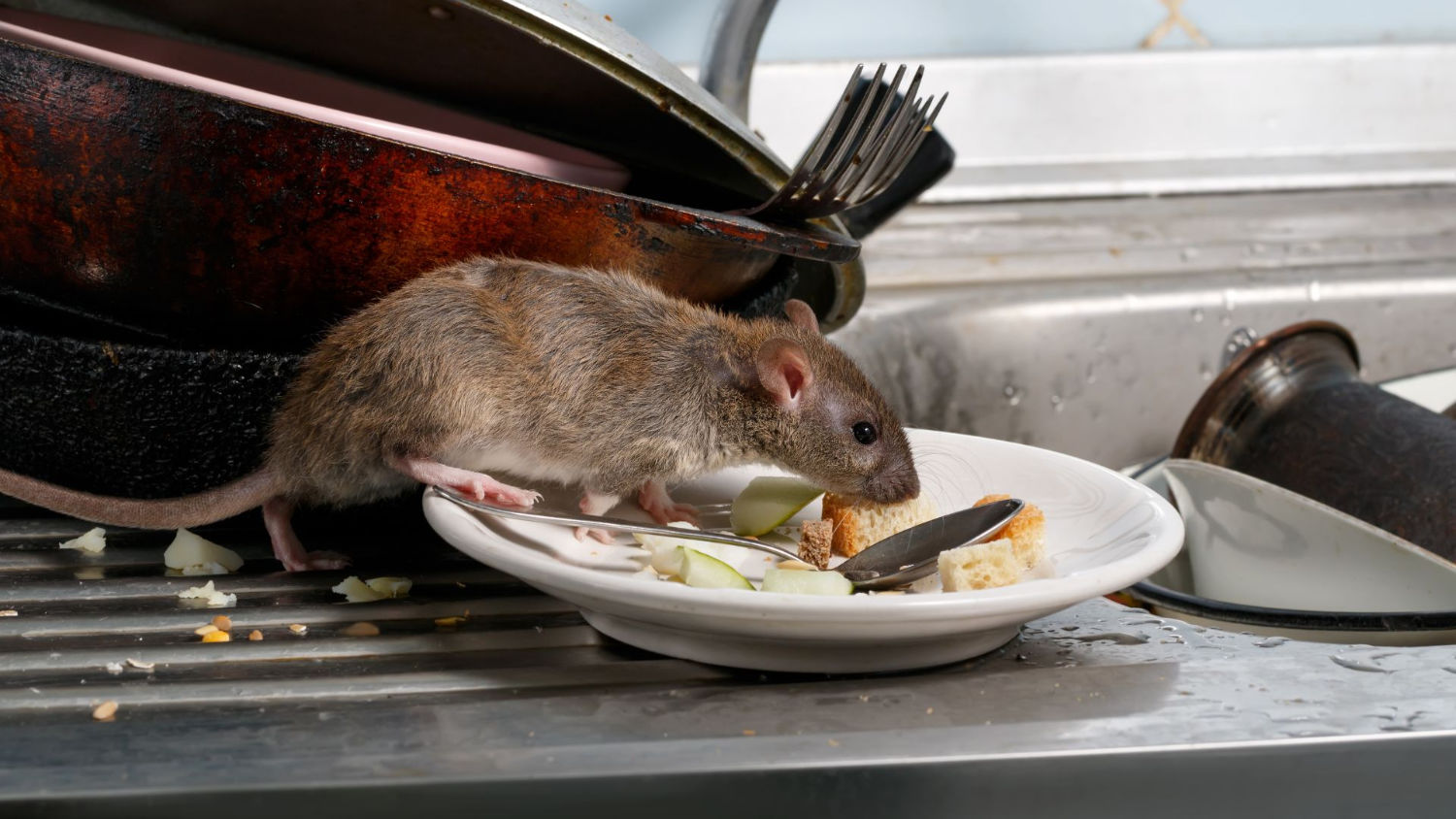
- The House Mouse: Small and curious, the house mouse can squeeze through a hole the size of a dime. They reproduce rapidly and build nests in warm, secluded areas like wall voids, attics, and behind appliances. Tell-tale signs include small, dark droppings, gnaw marks on food packaging, and a distinct musky odor in enclosed spaces.
- The Norway Rat: A larger, bulkier rodent known for its burrowing habits. Norway rats are often found in lower levels of buildings, such as basements, crawlspaces, and sewers. They are cautious creatures and can be wary of new objects. Signs include large, capsule-shaped droppings, greasy “rub marks” along walls, and burrows around your home’s foundation.
- The Roof Rat: Sleek and agile, the roof rat is an excellent climber, preferring to live in the upper levels of buildings. They commonly infest attics, ceilings, and trees, often using utility lines as highways to access your roof. Their droppings are smaller and more pointed than a Norway rat’s, and they are known for hollowing out fruits in trees.
The Sparrow’s Shield: Our 4-Step Rodent Control System
Simply setting traps is a temporary fix for a recurring problem. Our professional system is designed to provide immediate relief and, most importantly, long-term protection.
1. Comprehensive Inspection Our licensed technician performs a meticulous inspection from your roofline to your foundation. We identify all active and potential entry points, nesting sites, and conducive conditions that are attracting rodents to your property.
2. Professional Exclusion (Sealing) This is the most critical step for a permanent solution. We use professional-grade materials like steel wool, wire mesh, metal flashing, and specialized sealants to close every single gap and crack rodents use to enter. We secure everything from foundation vents to plumbing penetrations, creating a physical barrier they cannot breach.
3. Trapping and Removal Once your home is completely sealed, we strategically place a network of professional traps in the attic, crawlspace, and other high-traffic areas. This allows us to capture the rodent population that is now trapped inside your home. We focus on trapping as our primary removal method to avoid the use of dangerous rodenticides indoors.
4. Sanitization and Monitoring After the trapping phase, we return to remove all captured rodents from your property. We can also provide recommendations for clean-up and sanitization services to safely remove hazardous droppings and contaminated insulation. We monitor the site to ensure all rodent activity has ceased.
Our Rodent Control Whatcom County Service Area
Call Us Today!
(360) 517-7378
Why Professional Rodent Control is Essential
Tackling a rodent problem on your own can be ineffective and even dangerous. A professional service provides a level of expertise and safety that DIY methods cannot match.
- Health and Safety: Rodent droppings and urine can contain dangerous pathogens like Hantavirus, which can become airborne during improper cleanup. Our technicians are trained in the safe handling and disposal of contaminated materials, protecting your family from exposure.
- Thorough Exclusion: A homeowner might plug one or two obvious holes, but a professional is trained to find the dozens of hidden, less-obvious entry points that rodents use. We conduct a “top-to-bottom” seal-out that is far more comprehensive and durable than typical DIY repairs.
- Understanding Rodent Behavior: Rats, in particular, exhibit “neophobia,” a fear of new objects, which can make them avoid amateur trap placements. Our experts understand rodent psychology and use strategic placement and techniques to overcome this behavior for effective trapping.
- Guaranteed Peace of Mind: When you hire Sparrow’s, you’re not just getting traps; you’re getting a guarantee that the problem will be solved completely—from removal to prevention—giving you lasting peace of mind.
Frequently Asked Questions
Trapping only removes the rodents that are currently inside. If the entry points remain open, new rodents will simply move in from the outside, creating a never-ending cycle. Exclusion is the only way to solve the problem permanently by preventing access in the first place.
Our primary method for interior rodent control is trapping. We strongly advise against using rodenticide baits inside a home because a poisoned rodent can die in an inaccessible area (like a wall void), creating a horrible odor and a secondary insect infestation. Baits are sometimes used in secured stations on the exterior of a property, but never in a way that would endanger children or non-target animals.
Unfortunately, where there is one mouse, there are almost always more. Mice can produce a new litter of 5-6 young every three weeks. A single sighting often indicates a much larger, hidden population that can grow exponentially if not addressed quickly and professionally.
Rodents can transmit numerous diseases to humans, including Hantavirus, Salmonellosis, and Leptospirosis, through their droppings, urine, and saliva. Their shed fur and droppings can also trigger severe allergies and asthma attacks, especially in children.